
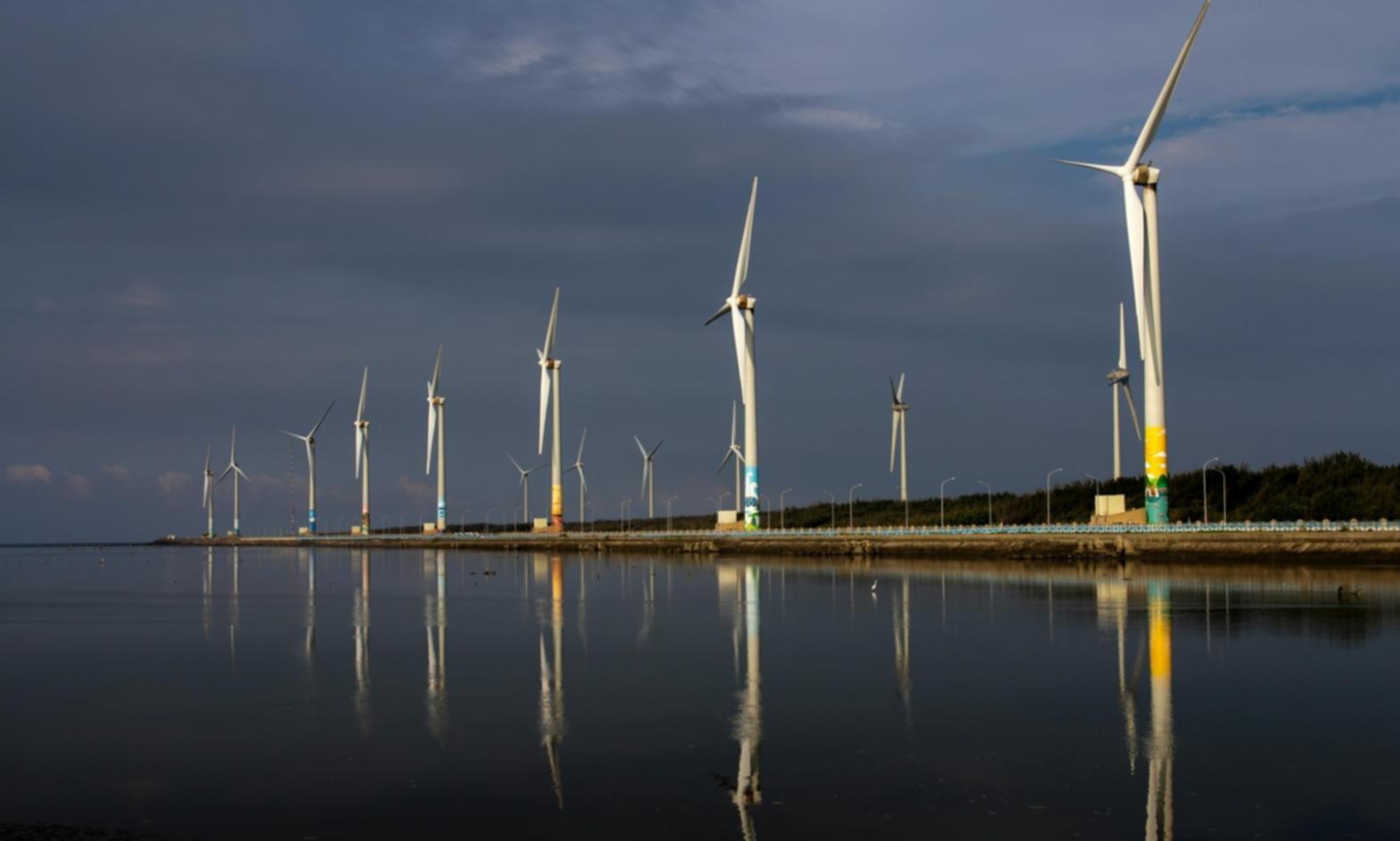
Solar Energy Education That Works
We started offering these courses because people kept asking how solar actually functions in Kuala Lumpur's climate. Not theory from textbooks written for temperate zones, but practical knowledge you can use tomorrow. These programs come from eight years of trial, error, and real installations across Malaysia.
Fundamentals Track
This one covers photovoltaic basics, system sizing for Malaysian conditions, and installation safety. We start with how silicon converts light to electricity, then move into calculating your actual roof load capacity and understanding our unique humidity challenges.
- Cell technology and efficiency factors
- Tropical weather impact on performance
- Grid connection requirements in KL
- Basic electrical safety protocols
- Component selection for high humidity
System Design Course
Here we dig into real design work. You'll learn to calculate shading losses from our frequent cloud cover, size battery banks that actually make financial sense, and handle inverter specifications. Last cohort designed fifteen functioning systems as their final project.
- Load calculation for residential and commercial
- Inverter sizing and selection criteria
- Battery storage economics
- Permit documentation preparation
- ROI modeling with TNB tariffs
Installation Practicum
This program runs differently. Half happens online covering code requirements and safety procedures. The other half involves actual mounting work on test structures, wiring practice, and troubleshooting scenarios. We partnered with three installation companies who need trained technicians.
- Structural assessment and mounting
- DC and AC wiring standards
- Grounding in tropical conditions
- Testing and commissioning procedures
- Maintenance schedule development
How Learning Actually Happens
Foundation Week
You start with electricity fundamentals and solar physics. These sessions run live with Q&A because people always have questions about voltage drop calculations or why module temperature matters more than ambient.
Design Phase
Now you're sizing systems. We give you actual building profiles from Maluri area and you calculate everything. Other students review your work before instructors do, which catches most errors early.
Technical Deep Dive
Here we cover installation details, code compliance, and system integration. You'll work through three case studies that went wrong in real projects, figuring out what happened and how to prevent it.
Final Project
Your capstone involves designing a complete system for a real client brief. You present to the group and defend your choices. Some designs get built if the client likes them enough to fund installation.
What Previous Students Say
I took the fundamentals course because our engineering firm kept getting solar projects we didn't understand. The content covered exactly what I needed without the usual textbook fluff. Three months later I designed my first commercial system and it passed inspection first try.

Harith Zainudin
The practicum taught me things my electrical degree never covered. How humidity affects connection points, why Malaysian roofs need different mounting than what manuals show, how to actually test grounding in our soil conditions. Now I run installation teams and know what I'm looking at.
Aiman Rosli
Best part was getting design feedback from other students before instructor review. You see different approaches to the same problem and realize there's usually multiple right answers depending on priorities. That perspective matters more than memorizing formulas.

Siti Kamala
Ready to Start Learning?
New cohorts begin every six weeks. Classes run Tuesday and Thursday evenings for eight weeks, with weekend practicum sessions for installation track students. You can enroll anytime, and we'll confirm your spot within two business days.
Get Program Details